Best Casual Mobile Games to Play in 2024: Honest Reviews and Practical Tips
Mobile gaming has never had more to offer — and never been harder to navigate. Between endless App Store recommendations and Google Play "Editor's Picks," finding a game that actually fits your life takes more effort than it should. This guide cuts through the noise with honest picks, practical tips, and a clear-eyed look at monetization — built for fans of football, esports, and anyone who wants a game they can actually enjoy without a 40-hour commitment.
What Makes a Mobile Game "Casual" in 2024
A casual mobile game is one designed for short, low-pressure sessions that anyone can pick up without tutorials lasting longer than the game itself. The defining traits are accessibility, quick session length, and a progression system that rewards consistent play over raw skill.
In 2024, the casual category has expanded well beyond match-3 puzzles. It now includes lightweight sports simulations, idle games, arcade runners, and even mobile esports crossover titles with simplified controls. What unites them is the pick-up-and-play philosophy — you open the app, play for five to fifteen minutes, and close it feeling like you accomplished something.
That said, "casual" doesn't mean shallow. The best casual games have genuine depth in their progression systems — they just don't demand it upfront. Think of it as the difference between a friendly five-a-side match and a full 90-minute league game. Same sport, different commitment level.
Best Casual Sports and Football Mobile Games
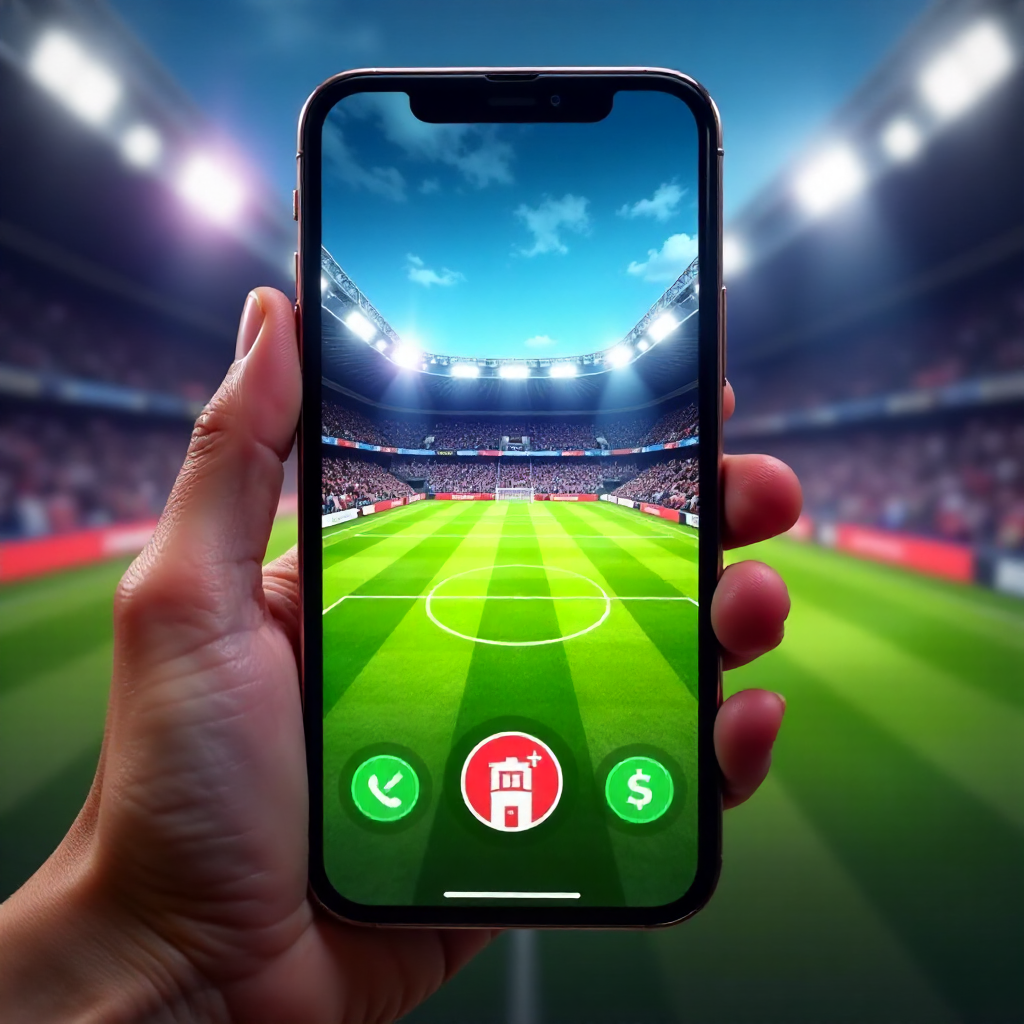
For football and sports fans, the best casual mobile games in this space deliver the feel of the sport without requiring the tactical depth of a full simulation. These titles are built for fans who want to stay connected to the game between matches or during commutes.
Football Strike and Score! Hero
Football Strike focuses on free-kick and shooting mechanics — you aim, you shoot, you score. Sessions run two to five minutes, making it ideal for half-time breaks or commutes. The multiplayer element adds a competitive edge without demanding serious time investment.
Score! Hero takes a different angle: puzzle-style football scenarios where you draw the path of the ball to set up goals. It's surprisingly tactical for a casual game, and it genuinely rewards players who understand movement and positioning. Both are free-to-play with optional cosmetic purchases that don't affect gameplay balance.
Soccer Super Star
This one leans heavily into the arcade side — swipe-based shooting mechanics, clean visuals, and a campaign structure that keeps progression feeling meaningful. It's not trying to be FIFA. It knows exactly what it is: a fast, satisfying football game for casual sessions. The monetization is relatively restrained compared to similar titles.
Top Casual Puzzle and Arcade Games Worth Your Time
Outside of sports, puzzle and arcade casual games remain the most consistently enjoyable format on mobile — and 2024 has produced some genuinely strong options across both categories.
Royal Match continues to dominate the puzzle space for good reason. The level design is genuinely clever, the difficulty curve is well-paced, and the castle-building meta-game gives progression a satisfying visual payoff. It's free-to-play, and while extra lives cost money, patient players rarely feel blocked.
For idle game fans, Idle Miner Tycoon and similar titles offer the satisfaction of watching numbers grow without demanding active attention. These work especially well for people who play in short bursts throughout the day — open the app, collect your earnings, reinvest, close it. The loop is simple but strangely compelling.
On the arcade side, Geometry Dash Lite deserves a mention for its rhythm-based gameplay that genuinely tests reflexes. It's harder than most casual games, but the sessions are short and the retry loop is fast enough that failure never feels punishing. This one actually builds hand-eye coordination over time.
Free-to-Play vs. Paid: What You're Actually Getting
The honest answer is that free-to-play mobile games vary enormously in how fair their monetization actually is. Some F2P titles are genuinely generous; others are designed to frustrate you into spending. Knowing the difference saves both money and enjoyment.
Most casual mobile games on the App Store and Google Play use one of three models:
- Energy/lives systems — you get a limited number of attempts per session, then wait or pay to continue. Common in puzzle games. Manageable if you play in short bursts anyway.
- Cosmetic-only purchases — the fairest model. Gameplay is never gated. You pay for skins, themes, or visual upgrades. Football Strike uses this approach.
- Pay-to-progress or pay-to-win — the most problematic. Spending real money gives a meaningful competitive or progression advantage. Watch for this in multiplayer casual games especially.
Paid games (typically $1.99–$4.99 one-time) remove all of this friction. If you find yourself constantly hitting paywalls in a free game, a paid alternative in the same genre is often worth the small upfront cost. Alto's Odyssey is a clean example — a premium endless runner with no in-app purchases and a genuinely beautiful experience.
Beginner Tips to Get the Most Out of Casual Mobile Games
Getting more out of casual mobile games comes down to a few habits that most players ignore. These aren't complicated — they're just not obvious when you're starting out.
Set a session limit before you open the app. Casual games are designed to extend sessions through "just one more level" mechanics. Decide in advance whether you're playing for five minutes or fifteen. This prevents the game from eating time you didn't plan to spend.
On progression: don't rush. Many casual games front-load difficulty spikes to push in-app purchases. If you hit a wall, step away for a day. Daily login bonuses often give you the resources to clear it without spending anything.
For football and sports casual games specifically, spend the first few sessions learning the core mechanic rather than chasing the meta. In Score! Hero, for instance, understanding the angle system early makes the mid-game far easier. In Football Strike, practicing free-kick spin before entering multiplayer makes a noticeable difference in win rate.
One mistake worth avoiding: don't connect every game to Facebook or your main account immediately. Some casual games use social features to push notifications aggressively. Try the game solo first, then decide if the social layer adds value.
How Casual Games Connect to the Esports and Competitive Scene
Casual mobile games and competitive esports aren't as separate as they might seem. Several titles that started as casual picks have developed genuine competitive communities — and some esports players actively use casual mobile games as part of their training routine.
Clash Royale is the clearest example. It launched as an accessible card-battler with simple mechanics, and it now has a structured competitive circuit with real prize pools. The entry barrier is low enough for casual players, but the skill ceiling is high enough to support serious competition. According to Wikipedia's Clash Royale entry, the game has hosted multiple global tournaments since its 2016 release.
For football fans specifically, mobile titles like Football Strike run seasonal leaderboards and cup competitions that mirror the structure of real football leagues. The competitive framing gives casual play a sense of stakes without requiring the time investment of traditional esports titles.
Casual games also serve as mental resets for competitive players. Short, low-stakes sessions can help maintain reaction time and pattern recognition without the cognitive load of a full ranked match. It's a legitimate use case that more esports players are openly talking about.
How to Choose the Right Casual Game for Your Play Style
The right casual mobile game depends on three things: how much time you have per session, whether you want active or passive engagement, and whether competition matters to you.
Use this as a quick filter:
- Under 5 minutes per session, passive preference: Idle games like Idle Miner Tycoon. Open, collect, close.
- 5–15 minutes, active but low-pressure: Puzzle games like Royal Match or Score! Hero. Focused but not stressful.
- 15+ minutes, sports or competition preferred: Football Strike multiplayer, Clash Royale, or Soccer Super Star's campaign mode.
- Variable sessions, reflex-focused: Arcade titles like Geometry Dash Lite. Short retries, high replayability.
If you're coming from an esports or football background, start with sports-adjacent casual titles — the familiar context makes the learning curve almost nonexistent. From there, branching into puzzle or arcade games is easy once you've built the habit of short mobile sessions.
The single most useful question to ask before downloading anything: "Does this game fit into my day, or am I fitting my day around it?" Casual games should do the former. If a game's progression system demands daily check-ins at specific times or punishes you for missing sessions, it's designed to create dependency — not enjoyment.
Frequently Asked Questions
What is the difference between casual and hardcore mobile games?
Casual mobile games prioritize accessibility, short sessions, and simple mechanics. Hardcore mobile games demand higher skill investment, longer sessions, and often complex systems like builds, ranked ladders, or guild management. The line blurs in titles like Clash Royale, which starts casual and scales into competitive depth.
Are casual mobile games worth playing if I'm into esports or competitive gaming?
Yes — for different reasons than you might expect. Casual games offer mental recovery between intense sessions, and some (like Clash Royale) have legitimate competitive scenes. They're also useful for maintaining reflexes and pattern recognition without the pressure of ranked play.
Which casual mobile games are completely free without pay-to-win mechanics?
Score! Hero, Football Strike (for casual modes), and Geometry Dash Lite are all playable without spending money and don't gate competitive performance behind purchases. Alto's Odyssey is a paid option with zero in-app purchases.
How much time per day do casual mobile games typically require?
Most casual games are designed for 5–20 minutes of daily play. Energy systems in puzzle games naturally cap session length. Idle games require almost no active time. The exception is competitive casual titles like Clash Royale, where ranked sessions can run 20–30 minutes if you're actively climbing.
Can casual mobile games improve reflexes or strategic thinking?
Arcade-style casual games like Geometry Dash genuinely improve hand-eye coordination and reaction time with consistent play. Puzzle games build pattern recognition. The improvement is real but modest — don't expect casual gaming to replace dedicated skill training for competitive esports.