Esports Tournaments You Shouldn\'t Miss This Year: Schedules and Predictions
Why This Is a Landmark Year for Esports Tournaments
2026 is shaping up to be the most stacked year in competitive gaming history. Several flagship events have expanded their formats, prize pools have broken new records, and the global audience for live esports content has crossed 600 million viewers — a figure that rivals traditional sports viewership in many regions.
What makes this year feel different isn't just the numbers. It's the storylines. Dynasties are being challenged, new regional powerhouses are emerging, and the line between esports and mainstream sports entertainment keeps blurring. If you've ever watched a football knockout bracket and felt that gut-punch tension when your team goes to penalties — that same feeling is exactly what the group stage and bracket formats of major esports events deliver.
Whether you're a seasoned viewer or someone who just wants to know which events are worth your time, this guide covers everything: tournament schedules, prize pools, teams to follow, and honest predictions for who's likely to lift the trophy.
The Biggest Esports Tournaments by Game Title
The esports calendar in 2026 spans five major game titles, each with its own flagship event and passionate fanbase. Here's the breakdown.
League of Legends World Championship (Worlds)
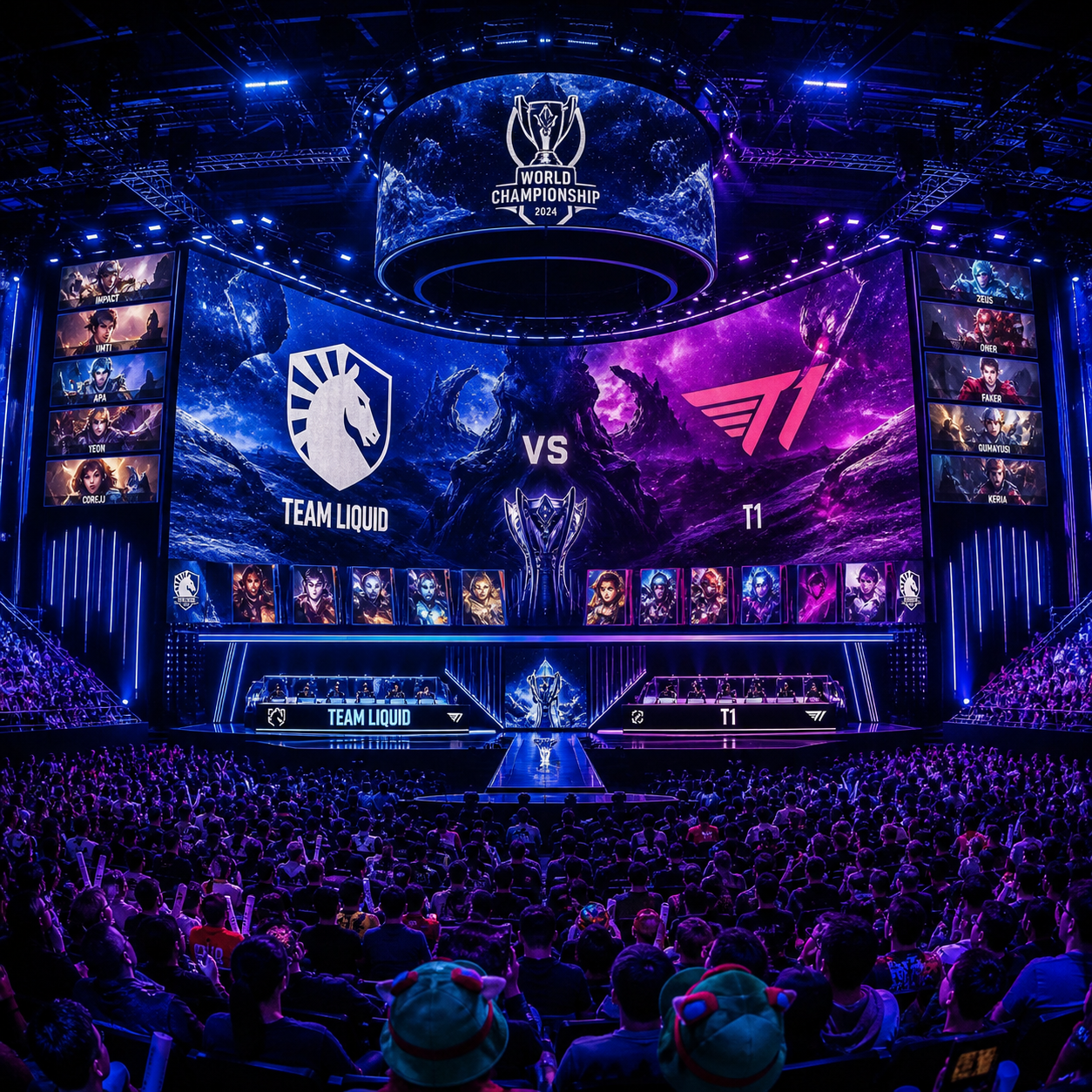
The League of Legends World Championship — universally called Worlds — is the Super Bowl of MOBA esports. Riot Games rotates the host region each year, and 2026's edition brings together 22 teams across a play-in stage, group stage, and single-elimination bracket. Teams qualify through regional leagues across Korea, China, Europe, and North America, meaning the field is genuinely global.
The International (Dota 2)
Valve's The International remains the event with the most dramatic prize pool history in esports. It uses a crowdfunding model via the Battle Pass, which has historically pushed total prize pools well above $30 million. The double-elimination main event format means a team can lose early and still fight back to win — which has produced some of the most memorable comebacks in competitive gaming.
ESL Pro League (CS2)
The ESL Pro League is the premier circuit for Counter-Strike 2, running across multiple seasons per year. The format includes a Swiss-system group stage feeding into a traditional playoff bracket. With CS2 now fully replacing CS:GO, 2026 is the first full cycle where the meta has stabilized — making team form more predictable and the competition more intense.
Valorant Champions Tour (VCT)
Riot's Valorant Champions Tour operates through three international leagues — Americas, EMEA, and Pacific — before culminating in the Valorant Champions global final. The structured franchise model means top organizations like Team Liquid and NRG have consistent rosters, which makes following the storylines much easier than in open-qualifier formats.
EVO Championship Series (Fighting Games)
The EVO Championship Series is the world's largest fighting game tournament, covering titles like Street Fighter 6, Tekken 8, and Mortal Kombat. Unlike team-based esports, EVO is an individual competition — thousands of entrants, single-elimination brackets, and zero safety nets. It's chaotic, dramatic, and completely unpredictable.
Key Tournament Dates and Schedules to Mark on Your Calendar
The 2026 esports calendar is dense, so here's a practical overview of when each major event lands.
- ESL Pro League Season 21 — Runs January through March, with the playoff finals in late March. This is the first major CS2 event of the year and sets early form lines.
- Valorant Champions Tour — Masters — Two Masters events typically fall in spring (March–April) and summer (July–August), with regional leagues running continuously between them.
- EVO Championship Series — Held annually in Las Vegas, typically late July to early August. Registration opens months in advance and fills quickly.
- The International (Dota 2) — Historically scheduled for August–September, with the group stage running across roughly a week before the main event begins.
- League of Legends World Championship — The biggest event of the autumn esports calendar, typically running October through November. The grand final draws tens of millions of concurrent viewers.
- Valorant Champions — The VCT season culminates in August–September, just before Worlds season kicks off.
The autumn window — September through November — is essentially the esports equivalent of a Champions League final run. Multiple major events overlap, so planning your viewing schedule ahead of time genuinely pays off.
Prize Pools and What's at Stake
Prize money in esports has reached a scale that commands serious attention. The International's crowdfunded model has produced the largest prize pools in esports history — the 2021 edition crossed $40 million, and while 2026's figure depends on community participation, it consistently dwarfs most other tournaments.
The League of Legends World Championship offers a guaranteed prize pool funded directly by Riot, typically in the $2–3 million range, but the real stakes are reputational. Winning Worlds is the defining achievement in LoL esports — teams like T1 have built entire brand identities around their World Championship victories.
ESL Pro League and VCT Champions each offer prize pools in the $1–2 million range, which is competitive enough to matter to rosters but not the primary motivator. For most professional players, tournament prestige and the career leverage that comes with winning matters as much as the check.
EVO is the outlier — prize pools are relatively modest compared to team-based esports, but the cultural weight of an EVO win in the fighting game community is enormous. Players have turned EVO victories into coaching careers, content deals, and international recognition.
Teams and Players to Watch in 2026
Across all five major titles, a handful of organizations and individuals are setting the pace heading into the year's biggest events.
T1 (League of Legends) remains the benchmark. Faker's continued presence in the roster — now in what many consider the twilight of an extraordinary career — gives every T1 match an added emotional layer. Their Korean competition from Gen.G and DRX is fierce, but T1 enters Worlds as a perennial favorite.
In Dota 2, Team Liquid has rebuilt its roster with a mix of experienced veterans and emerging talent from Southeast Asia. Their performance at regional qualifiers suggests they're in genuine contention for a top-four finish at The International.
Natus Vincere (NaVi) in CS2 is navigating a transitional period post-s1mple era, but their structural depth and coaching staff have kept them relevant at the top of ESL Pro League standings. Watch their AWPer development — whoever steps into that role fully could define their 2026 trajectory.
In Valorant, the EMEA region has produced the most consistent international performers. Teams like Fnatic and Team Vitality have shown the tactical discipline to compete at Champions, and the Americas league — led by organizations like Sentinels and 100 Thieves — will push hard after a strong 2025 showing.
Predictions and Favorites for Each Major Tournament
These are editorial picks based on current form, roster composition, and historical patterns — not guarantees. Esports, like football, rewards the prepared but regularly humbles the overconfident.
- Worlds 2026 (LoL): T1 and Gen.G are the safe picks from Korea. China's LPL will send at least one team capable of winning the whole thing — JDG and BLG are the names to watch. Dark horse: a European team making an unexpected semifinal run.
- The International 2026 (Dota 2): The double-elimination format rewards teams with deep champion pools and adaptable drafts. Team Liquid and a Chinese team (likely PSG.LGD or Xtreme Gaming) feel like the most likely finalists. Lower bracket runs are almost guaranteed to produce at least one major upset.
- ESL Pro League (CS2): NaVi and FaZe Clan are the structural favorites. Vitality's French core has looked sharp in recent LANs. The team that best adapts to CS2's evolving utility meta in the first quarter of the year will have a significant edge.
- Valorant Champions: EMEA teams have dominated recent international events. Expect that trend to continue, though the Pacific region — particularly Korean and Japanese rosters — is closing the gap faster than most analysts predicted.
- EVO 2026 (Fighting Games): Street Fighter 6 is anyone's tournament. The defending champion circuit has been remarkably unstable, which makes EVO the one event where a complete unknown can walk in and win.
How to Watch and Follow Every Tournament Live
Every major esports tournament in 2026 streams for free on either Twitch or YouTube Gaming — sometimes both simultaneously. Official channels are the safest option for reliable streams with professional production.
Riot Games broadcasts Worlds and VCT Champions on dedicated channels like LoLEsports and ValorantEsports on YouTube, often with multiple language streams running in parallel. Dota 2's The International streams on the official Dota 2 Twitch channel and through Steam's built-in broadcast feature, which lets you watch directly in the game client.
For CS2, ESL Pro League matches are available on ESL's Twitch and YouTube channels, and FACEIT's platform has integrated viewing features for registered users. EVO streams exclusively on Twitch across multiple side-by-side game channels during the main event weekend.
A few practical tips: follow the official social accounts of each tournament for schedule updates, as start times shift based on match lengths. Tools like Liquipedia are the most reliable free resource for real-time brackets, match history, and roster information across all major esports titles — think of it as the Wikipedia of competitive gaming, maintained by the community with impressive accuracy.
Frequently Asked Questions
What is the biggest esports tournament in the world?
By prize pool, The International (Dota 2) holds the record, having exceeded $40 million in past editions. By viewership, the League of Legends World Championship regularly draws the largest global audience, with peak concurrent viewers in the tens of millions.
How are esports tournaments structured?
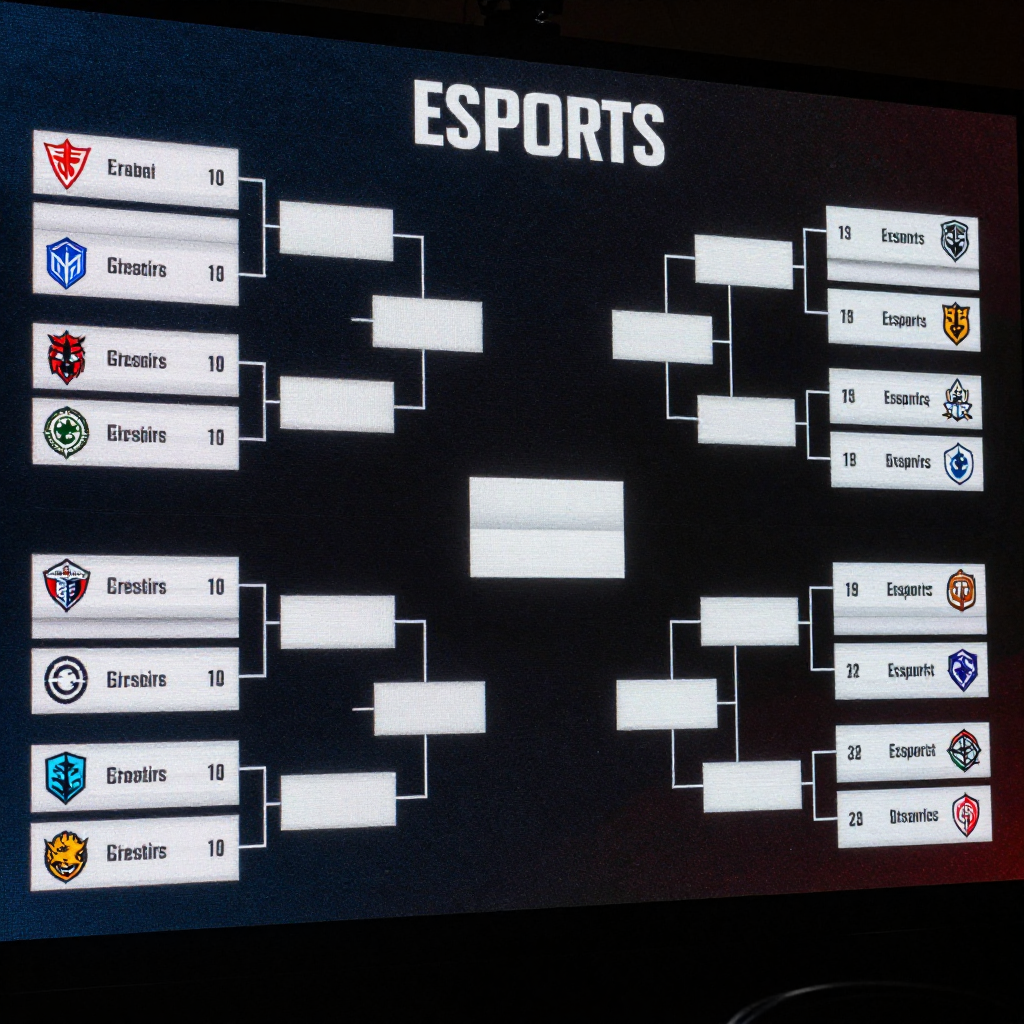
Most major tournaments use a combination of a group stage (round-robin or Swiss format) followed by a single or double-elimination playoff bracket. The group stage determines seeding and eliminates weaker teams; the bracket decides the champion. This mirrors the structure of football's Champions League — group phase into knockouts.
Where can I watch esports tournaments for free?
Twitch and YouTube Gaming host official streams for every major tournament at no cost. No subscription is required to watch live broadcasts on either platform.
Which esports game has the highest prize pool?
Dota 2's The International has historically offered the largest prize pools in esports, driven by its crowdfunding model. However, prize pool size varies year to year based on community participation in the Battle Pass campaign.
How can I predict esports tournament outcomes?
Start with recent LAN performance (online results are less reliable indicators), roster stability, head-to-head records, and meta adaptability. Resources like Liquipedia and official league stat pages provide the raw data. Beyond that, watching team communication and draft tendencies in the weeks before a major event gives you better signal than any ranking system alone.