Football Injuries: Prevention, Recovery, and Staying Fit During the Season
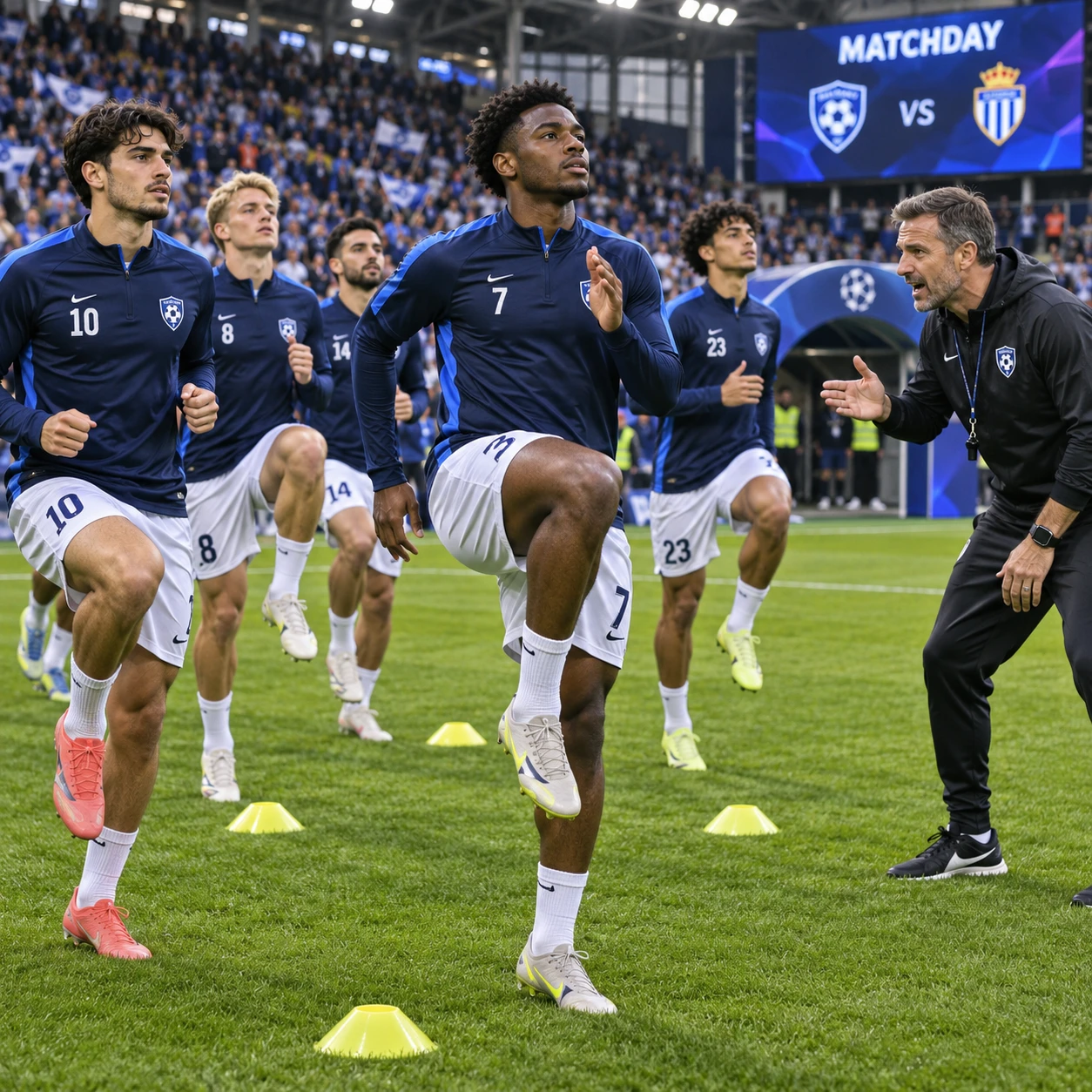
Football demands repeated sprints, sharp turns, tackles, jumps, and quick changes of pace. That mix makes muscle, ankle, and knee problems common, especially when fatigue builds across a long season. Good preparation can lower risk, but no warm-up or training plan can prevent every injury.
Knowing when to stop, how to manage training load, and when to seek medical advice matters as much as staying fit. Use the guidance below as a practical starting point, not as a diagnosis or substitute for individualized care.
Common football injuries and their warning signs
Common football injuries include hamstring strains, ankle sprains, and knee injuries. Sudden pain, swelling, weakness, or difficulty bearing weight are warning signs that deserve attention.
A hamstring strain often causes a sharp pull or sudden pain at the back of the thigh during sprinting or acceleration. Some players notice bruising, tenderness, or reduced strength. Continuing to sprint through pain can aggravate the injury, so stop and get assessed rather than testing it repeatedly.
An ankle sprain happens when the ligaments around the ankle are stretched or torn, commonly after landing on another player's foot or changing direction. Swelling, bruising, pain, and trouble walking can follow. A painful ankle is not automatically a minor sprain; fractures and other injuries can have similar symptoms.
Knee injuries range from irritation and minor sprains to significant ligament or cartilage damage. A knee that gives way, locks, swells quickly, or cannot support your weight needs prompt medical assessment. A pop at the time of injury can be concerning, but no single symptom confirms a specific diagnosis.
Stop activity and seek urgent care for severe pain, an obvious deformity, numbness, a cold or discoloured foot, or inability to bear weight. Persistent or worsening symptoms also warrant professional advice.
Prevent injuries with match-ready habits
To reduce football injury risk, build a progressive warm-up, maintain strength and mobility, practise sound movement technique, and use suitable footwear. These habits support readiness, but they cannot eliminate injuries.
Start warm-ups gently, then increase intensity. A useful sequence is light jogging, dynamic mobility, balance and control drills, and football-specific movements such as accelerations, decelerations, and changes of direction. Finish with a few short efforts that approach match pace. A warm-up should prepare you to play, not exhaust you.
Strength and conditioning can help players tolerate football's demands. Include regular work for the hamstrings, calves, quadriceps, glutes, and trunk, using exercises appropriate to your experience and any previous injuries. Controlled single-leg movements and gradual sprint exposure can help build capacity, but a new programme should progress slowly. Ask a qualified coach or physiotherapist to adapt exercises if you have pain or a history of injury.
Technique matters too. Practise landing with control, slowing down before sharp turns, and building sprint speed progressively. Choose boots that fit securely and suit the playing surface; footwear that is worn out or poorly matched may affect comfort and traction. The right choice still cannot guarantee protection from a twist, collision, or awkward landing.
For practical movement and injury-prevention guidance, see the NHS guidance on exercise. Treat general advice as a foundation rather than a personalised training prescription.
Manage training load across the season
Managing training load means balancing football practice, matches, conditioning, and recovery so demands rise at a pace your body can tolerate. Avoid sudden jumps in workload, especially after time off or when adding extra sessions.
Keep a simple weekly record of matches, training sessions, hard sprint work, and how you feel. Note unusually heavy legs, poor sleep, lingering soreness, or a drop in performance. These signs do not prove an injury is coming, but they can help you spot when to discuss adjustments with a coach or clinician.
Plan hard and easy days with intention. A player who has completed a demanding match may need lighter work or rest before another intense session. If you are returning from illness, injury, or a break, rebuild duration and intensity gradually instead of trying to catch up in one week. Team schedules can limit your control, so communicate early when your body is not recovering between sessions.
Common mistake: Adding extra conditioning because you missed training. The urge to make up lost work is understandable, but stacking a hard session onto an already busy week can increase fatigue. Resume with a manageable session and build from there.
Recover safely after an injury
After a suspected football injury, stop playing, protect the injured area from further stress, and arrange an appropriate assessment if symptoms are significant, persistent, or worsening. A clinician can help identify what is injured and recommend an individualized recovery plan.
Do not try to diagnose yourself from one symptom or copy a teammate's rehabilitation routine. Two players with similar pain may have different injuries and needs. For a mild injury, a healthcare professional may advise relative rest and gradual activity; more serious injuries may require imaging, supervised rehabilitation, or other treatment. Follow the advice you receive, and ask what symptoms should prompt a review.
Rest does not always mean complete inactivity, but activity should not worsen symptoms or put the injured area at risk. Avoid training through sharp pain, instability, or swelling that is increasing. A short break from football is frustrating; making an injury worse can prolong the time away.
Recovery also depends on the whole picture: adequate sleep, enough food and fluid, and a realistic progression back to running and football drills. Rehabilitation timelines vary. Do not use a fixed number of days as proof that you are ready to play.
Return to play without rushing
Return to play should be gradual and based on function, symptoms, and professional guidance when needed. Being able to jog or having a match date approaching does not by itself show that you can sprint, turn, and compete safely.
Progress through stages agreed with your clinician or qualified rehabilitation professional. Depending on the injury, this may move from pain-free daily movement to jogging, faster running, acceleration and deceleration, changes of direction, football drills, and full training. Each stage should be tolerated before the next; symptoms that return or worsen are a reason to pause and seek advice.
Before a full match, consider whether you can perform the actions your position demands repeatedly, including sprinting, stopping, turning, and responding to contact. A professional can assess strength, movement, confidence, and injury-specific criteria. Medical clearance is important after serious injuries or when a clinician has directed it.
A rushed return may feel like a way to help the team, but it can leave you underprepared for match intensity. A few controlled sessions are not a guarantee against reinjury; they are a chance to identify problems before the stakes rise.
Stay fit between matches
To stay fit between matches, prioritise sleep, drink regularly, eat enough to support training, and use low-impact conditioning when it suits your schedule and recovery. Match readiness depends on consistent habits, not a single recovery trick.
Sleep needs vary, but give yourself a regular opportunity for a full night and protect it after late fixtures. Rehydrate across the day, with extra attention to fluid lost through sweat in hot conditions or long sessions. Water is suitable for many routine sessions; longer or hotter efforts may call for a plan that replaces both fluid and electrolytes. Individual needs differ.
Build meals around carbohydrates for training energy, protein to support tissue repair and adaptation, and a variety of fruit and vegetables. There is no single menu for every player. Appetite, body size, training volume, health needs, and cultural preferences all matter. A sports dietitian can help if you have specific performance or recovery goals.
On easier days, cycling, swimming, or another low-impact activity may maintain general conditioning while reducing running impact. These options still add workload, so they are not automatically recovery sessions. If soreness is worsening or fatigue is accumulating, rest may be more useful than extra exercise.
Football injury FAQs
What should I do immediately after a suspected football injury?
Stop playing and avoid testing the injured area at full speed. Protect it from further impact, and seek urgent care for severe pain, deformity, numbness, major swelling, or inability to bear weight. For other symptoms, arrange medical advice if they persist or worsen.
How can I reduce the risk of hamstring strains?
Build hamstring and lower-body strength, warm up progressively, and increase sprint exposure over time rather than jumping straight into repeated maximal efforts. Manage fatigue and seek professional guidance if you have had a previous strain. These steps lower risk but cannot prevent every strain.
When should I see a medical professional?
Seek prompt assessment for severe pain, rapid swelling, instability, a locked joint, deformity, numbness, or trouble bearing weight. Make an appointment for symptoms that persist, worsen, or keep returning when you run or play.
How do I know when I’m ready to play again?
You should be able to progress through football-specific activity without symptoms that worsen, and meet any strength, movement, or sport-specific checks set for your injury. After a significant injury, follow the advice of your clinician or rehabilitation professional rather than relying on the calendar or a single pain-free test.