Planning a Mallorca Boat Trip from the U.S. in 2026: Yacht Day Charter vs. Multi-Day Sailing, and Skippered vs. Bareboat Explained
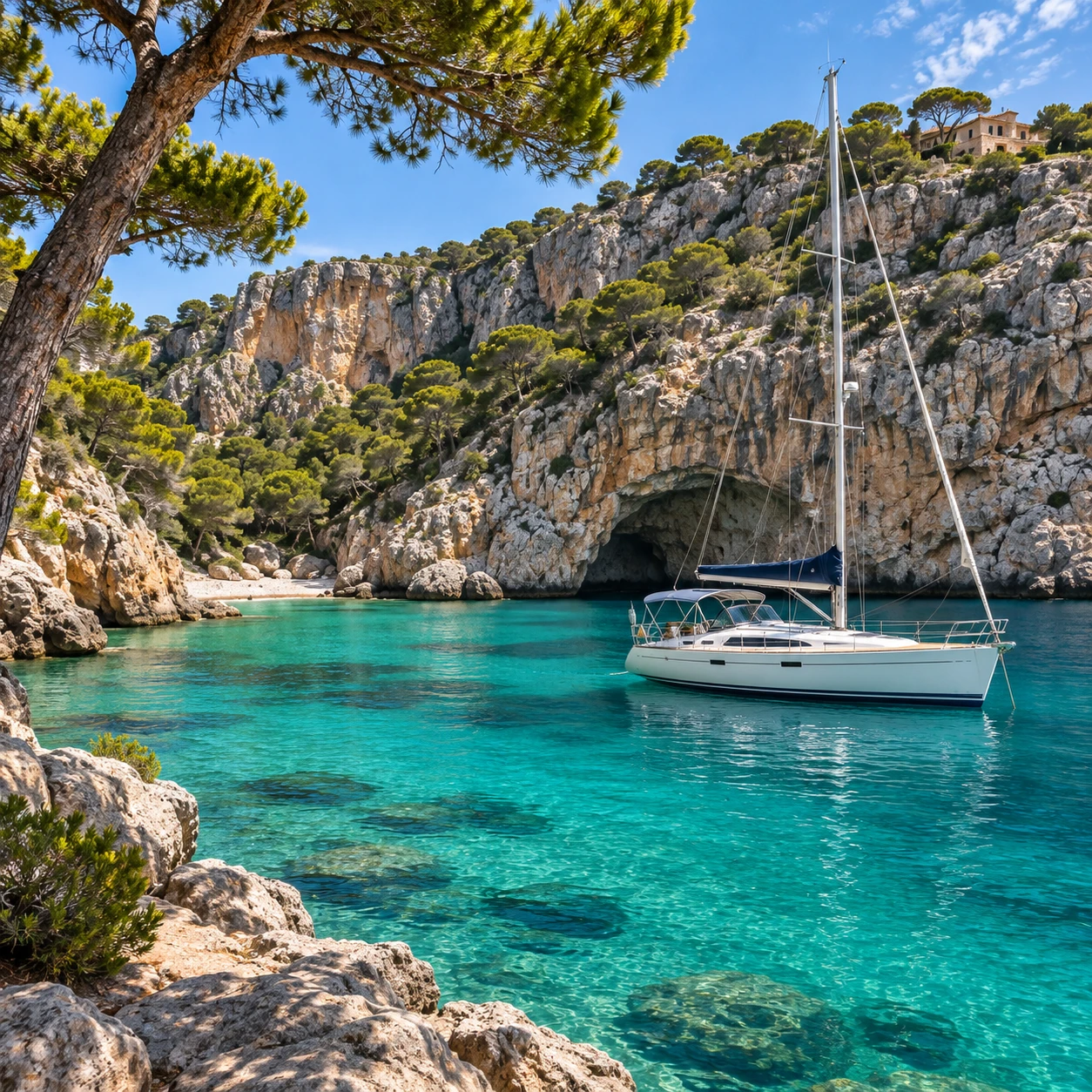
There's a moment on every Mallorca boat trip when the engine cuts off, the anchor drops, and you're floating in a bay so clear you can see your shadow on the sand ten feet down. Hidden coves, pine-lined cliffs, the long, dramatic line of the Serra de Tramuntana: all of it looks better from the water than from a crowded road. I've spent plenty of time on this coast, and I'll say it plainly. The boat is where the island finally makes sense.
If you're flying in from the States in 2026, though, you've got a few extra questions to juggle. A long-haul flight, jet lag, and a vacation allowance that rarely stretches past a week or two. So here's the core decision in front of you: a single-day yacht outing or a multi-day sailing trip? And do you hire a skipper or go bareboat? Operators like https://yeska.es/ offer both formats, so you can compare the options in one place as you read.
Why Mallorca Works So Well for a Boat Trip in 2026
Mallorca is almost purpose-built for boating. The island has plenty of sheltered bays, and the distances between good anchorages are short, often an hour or two of easy cruising. Less time motoring, more time swimming, eating, and doing nothing at all. Summer weather is generally reliable, with settled days and moderate breezes, but afternoon winds can pick up, so always expect a bit of variation.
The best window runs from May to October. May and June are lovely: warm enough for a swim, quieter anchorages, and generally friendlier prices. July and August are peak season, with the hottest water, the busiest coves, and the highest rates. September is my personal favorite, since the sea is still warm and the crowds begin to thin. October can be a bargain, though you'll want to keep a closer eye on the forecast.
Getting There from the U.S.
Palma's airport is reachable from major U.S. hubs, usually with one connection via Madrid or Barcelona, plus some seasonal direct routes depending on the year. Expect a total travel time of roughly 10 to 14 hours with a connection. Spain is six to nine hours ahead of U.S. time zones, depending on where you live, and most transatlantic flights land in the morning.
My advice? Build in a buffer day before you step aboard. Arrive, sleep, wander around Palma, and let your body catch up. A boat is a lovely place to recover from jet lag, but it's a poor place to be exhausted on day one. I've seen people skip this step, and they spend the first afternoon staring glassy-eyed at the horizon instead of enjoying it.
Day Charter vs. Multi-Day Sailing: Which Fits Your Trip?
A day charter is exactly what it sounds like. You rent a boat, with or without crew, for several hours and return to the same port that evening. Multi-day sailing means living aboard, moving between anchorages or marinas and sleeping on the boat each night.
Here's how they compare:
- Cost: A day charter has a lower total price and no accommodation to organize. Multi-day trips cost more overall but can work out well per night if you're splitting among a group, since the boat replaces your hotel.
- Flexibility: A day charter slots into a land-based holiday easily. Multi-day sailing asks you to commit your schedule.
- Comfort: Day charters mean a proper bed and shower at night. Living aboard is more compact, and honestly, that's part of the charm.
- Sights: A day trip reaches the nearby coves and coastline. A week lets you cross to different coasts, and even consider hops further afield.
First-timers, families with younger kids, and couples combining the boat with a hotel stay are usually happiest with a day charter. Groups of friends and experienced travelers who want immersion tend to prefer multi-day sailing.
When a Day Charter Is the Smart Choice
A typical day goes like this: you board mid-morning, cruise along the coast, and stop at a cove for a swim. Then comes snorkeling over rocky shallows, lunch onboard, another swim, and a slow, golden-hour sail back to port. If you're after an easy, no-stress introduction, a yacht day charter mallorca is the format I'd point most visitors toward. What's included varies by operator, so check whether fuel, snorkel gear, drinks, and food are part of the price before you book.
It also fits neatly into a short stay. Only a long weekend on the island after the flight? One day on the water delivers the most memorable part of Mallorca without eating your whole itinerary.
When to Choose Multi-Day Sailing
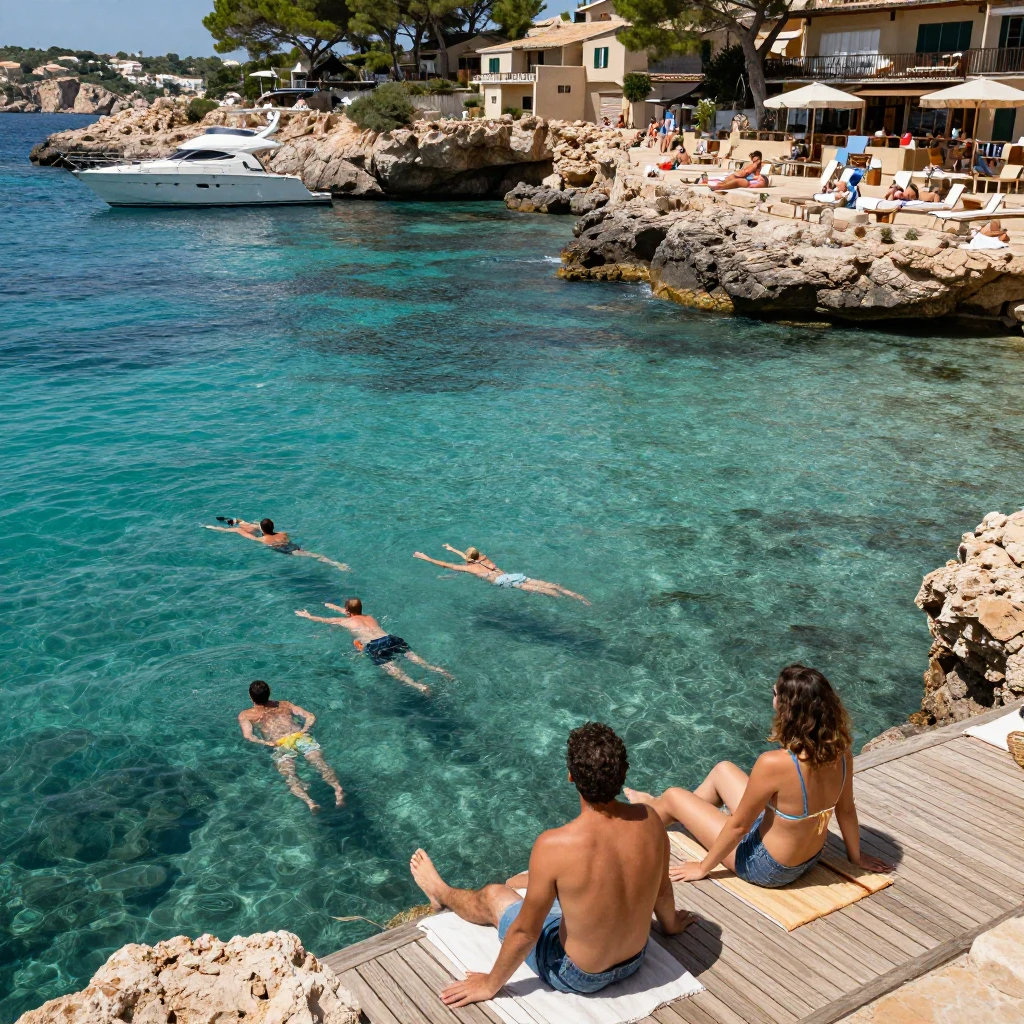
Multi-day sailing is about rhythm. You wake up in a quiet anchorage, swim before breakfast, sail for a few hours, and settle somewhere new by late afternoon. You can trace a route around the island's coasts, from the rugged northwest to the calmer southeast, and some itineraries consider longer hops toward Menorca or the protected waters around Cabrera, weather and permits permitting.
Be realistic about pacing. For a week-long trip, plan short sailing days, leave room for rest, and don't pack every day with a destination. Nights aboard mean tighter quarters, shared cabins, and a bit of routine. For many people, that's the whole appeal.
Skippered vs. Bareboat Charter Explained
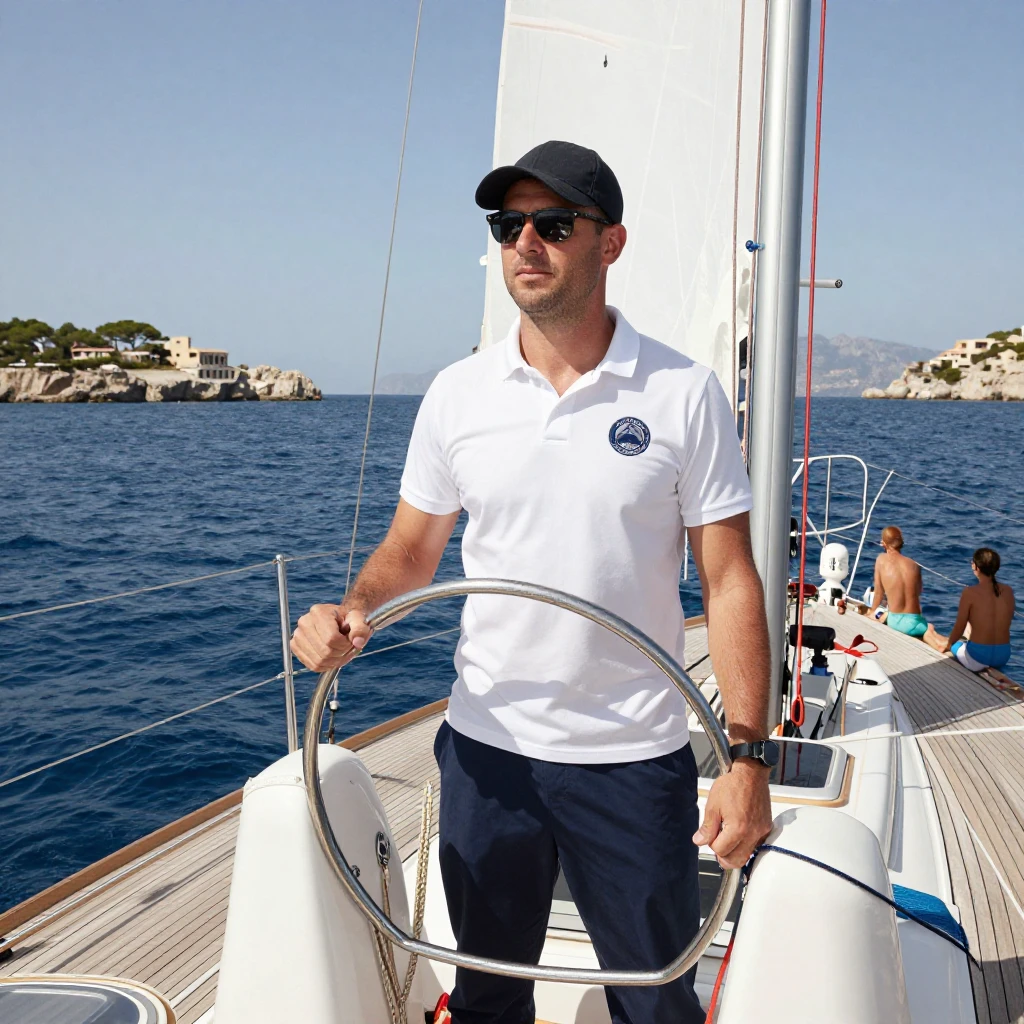
These terms confuse a lot of American readers, so let me put it simply. A skippered charter comes with a licensed captain who handles navigation, docking, and safety while you relax. A bareboat charter means you rent the boat without crew and you are the captain, responsible for everything.
- Cost: Bareboat usually looks cheaper on paper, but a skipper's fee often buys you a lot of value.
- Responsibility: With a bareboat, you carry the legal and practical responsibility for the vessel and everyone aboard.
- Local knowledge: A skipper knows which coves are calm today, where to find a good lunch spot, and how to avoid the crowds.
- Stress: Skippered is far lower. Bareboat is more freedom, with more to manage.
- Insurance and deposit: Bareboat typically involves a security deposit and clearer liability for damage. Skippered charters often reduce, but don't always remove, those terms.
For a deeper side-by-side, there's a detailed guide at https://yeska.es/skippered-vs-bareboat-charter/ that's worth reading before you commit.
Do U.S. Sailors Need a License to Bareboat in Spain?
This one you verify, not assume. Spain and charter companies generally expect some proof of qualification and documentation for bareboat hire, and whether a particular U.S. credential is accepted can vary by company and by the size and type of boat. Requirements can also change, and I wouldn't bet on what worked for a friend last year. Before you book, ask the charter company directly what they'll accept, what paperwork you need, and whether they'll want to review your sailing experience. And if anything is unclear, a skippered charter sidesteps the question altogether.
How to Decide: A Simple Framework
Ask yourself five things. How experienced are you? How big is your group? How many days do you have? What's your budget? Do you want to relax or to sail?
- A first-time family: A skippered day charter. Safety and ease come first, and the kids get a great day without anyone stressing over docking.
- An experienced couple: A multi-day trip, bareboat if your credentials are accepted and you're comfortable with the area, or skippered if you'd rather learn the coast from a local.
- A bachelor or bachelorette group: A skippered day charter, or a short skippered multi-day trip. A sober, licensed captain is the practical choice, and everyone gets to enjoy the day.
Budget, Booking, and Practical Tips for American Travelers
Several things drive the price: boat size, season, fuel, crew, mooring fees, and provisioning. Ask for a clear breakdown of what's included, because 'extras' add up fast. Tipping crew is customary on skippered trips, and many travelers tip based on service quality. Ask the operator about local norms rather than applying a U.S. percentage automatically. Most bookings accept major credit cards, but you'll pay in euros, so check your card's foreign transaction fees before you fly.
Book early for July and August, since the best boats go first. Always read the cancellation terms and weather policy, because wind and sea conditions can change plans, and you'll want to know how rebooking or refunds work.
For packing, keep it simple:
- Reef-safe sunscreen and a hat
- Soft-sided bags, since hard suitcases don't store well on boats
- Non-marking, soft-soled shoes
- Motion-sickness remedies, in case you need them
- A light layer for breezy evenings
Common Mistakes to Avoid
- Overpacking the itinerary: Fewer stops and more swimming makes for a better trip.
- Underestimating sun and wind: Open water amplifies both. Hydrate and cover up.
- Booking a bareboat beyond your skill: Confidence on a lake isn't the same as handling a larger boat in a busy anchorage.
- Ignoring licensing and deposit terms: Read them before paying, not after.
- Arriving jet-lagged for day one of a multi-day trip: Take that buffer day.
Conclusion
The choices boil down to this: a day charter for flexibility and short stays, multi-day sailing for immersion, a skippered boat for ease, and a bareboat for independence. Match the format to your experience and your schedule, not to what looks most impressive on paper. If you want to see what's available, you can explore the options at https://yeska.es/. Your next step is simple: pick your dates, your group size, and your preferred format, then request availability.